17 Easy Halloween Games for Preschoolers (No Scary Surprises)
Updated By Kate Anderson
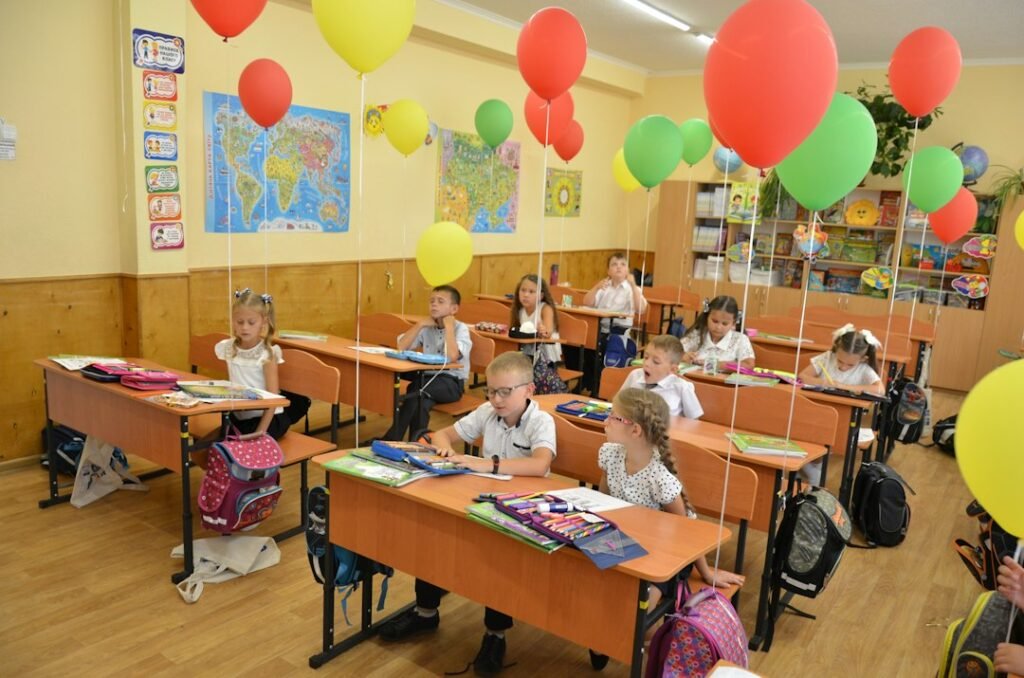
Preschool Halloween games work best when the rules fit in one sentence, every child stays involved and the theme feels playful rather than frightening. The activities below are designed for ages three to five, short attention spans and real classrooms—limited space, mixed confidence levels and very little setup.
Most games use items already found at school. Pick three active games, two calm games and one closing activity for a balanced party. If you teach older elementary students, see our no-prep Halloween classroom games and Halloween minute-to-win-it games.
Quick picks for preschool teachers
- No supplies: Monster Freeze and Melt, Friendly Ghost Follow-the-Leader, Friendly Monster Says
- Small classroom: Halloween Sound Detective, Bat and Moon Match, Five Little Pumpkins
- High energy: Spider Web Step-Over, Pumpkin Roll Target, Candy-Corn Sorting Relay
- Calm finish: Find the Tiny Pumpkin, Goodbye Ghost Breathing
- Best for mixed abilities: Pass the Pumpkin Face and Pumpkin Color Corners
17 easy Halloween games for preschoolers
1. Monster Freeze and Melt
Best for: high-energy opening • Time: 5 minutes • Supplies: music. Play upbeat Halloween music while children move like friendly monsters. Pause the music and call “freeze.” On the next beat, children slowly “melt” to the floor, then stand for a new round. Nobody is eliminated, so preschoolers keep moving instead of waiting on the side.
2. Pumpkin Color Corners
Best for: color recognition • Time: 6 minutes • Supplies: four colored papers. Place one color in each corner. Call a pumpkin color and let children walk, tiptoe or hop to the matching corner. Add simple clues—“the color of a bat” or “the color of a leaf”—for older preschoolers.
3. Friendly Ghost Follow-the-Leader
Best for: transitions • Time: 4 minutes • Supplies: none. The teacher becomes a friendly ghost and leads quiet movements: float, sway, stretch, crouch and glide. Choose a new leader after 30 seconds. Keep movements slow enough for crowded classrooms.
4. Pass the Pumpkin Face
Best for: circle time • Time: 7 minutes • Supplies: a soft orange ball or paper pumpkin. Children pass the pumpkin while music plays. When it stops, the holder makes a silly—not scary—face and everyone copies it. Continue until every child has had an optional turn.
5. Spider Web Step-Over
Best for: gross motor skills • Time: 8 minutes • Supplies: painter’s tape. Make wide zigzag “web” lines on the floor. Children step over each line without touching it. Offer an easier path with fewer lines and a harder path with sideways steps.
6. Witch’s Hat Balance Walk
Best for: focus and balance • Time: 6 minutes • Supplies: beanbags or folded socks. Each child balances a “witch’s hat” on one hand or shoulder while walking between two points. If it falls, they simply pick it up and continue—no racing required.
7. Pumpkin Patch Counting
Best for: early maths • Time: 8 minutes • Supplies: paper circles or blocks. Put number cards from one to five on the floor. Children deliver the correct number of “pumpkins” to each card. For younger groups, use one to three; for pre-K, extend to ten.
8. Halloween Sound Detective
Best for: calm listening • Time: 5 minutes • Supplies: everyday objects. Hide behind a desk and make a sound: crinkle paper, tap a cup, shake keys or zip a bag. Children guess the object. Let a child create the next sound while everyone closes their eyes.
9. Roll-a-Monster Movement
Best for: quick brain break • Time: 6 minutes • Supplies: one die. Assign a movement to each number: one stomp, two tiptoe, three flap, four spin, five crawl and six choose. Roll the die and let the class perform the movement for ten seconds.
10. Find the Tiny Pumpkin
Best for: visual attention • Time: 7 minutes • Supplies: one small paper pumpkin. Hide the pumpkin somewhere visible but not obvious. Children search with walking feet. The finder whispers the location to the teacher so others can keep looking.
11. Costume Action Guessing
Best for: language development • Time: 8 minutes • Supplies: none. Quietly tell a volunteer an easy character—cat, robot, firefighter, dinosaur or fairy. The child acts it out without speaking while classmates guess. Allow pairs to perform if a child feels shy.
12. Bat and Moon Match
Best for: matching • Time: 8 minutes • Supplies: pairs of simple picture cards. Place cards face down and let children turn over two at a time. Use only four pairs for younger preschoolers. The aim is cooperative: can the class find all matches together?
13. Pumpkin Roll Target
Best for: hand-eye coordination • Time: 8 minutes • Supplies: soft orange ball and plastic cups. Children roll the “pumpkin” toward a small cup tower. Reset together after each turn. Mark a close line and a farther line so every child can choose a comfortable challenge.
14. Friendly Monster Says
Best for: listening skills • Time: 5 minutes • Supplies: none. Play a gentle version of Simon Says using “Friendly Monster says.” Include actions such as touch your knees, blink three times, roar quietly and make a tall shape. Do not remove children who move at the wrong time.
15. Five Little Pumpkins Build-Up
Best for: memory and rhythm • Time: 6 minutes • Supplies: none. Sit in a circle and create five repeatable actions—roll, bounce, hide, stretch and sleep. Add one action each round until the class performs the full sequence together.
16. Candy-Corn Sorting Relay
Best for: teamwork • Time: 8 minutes • Supplies: orange, yellow and white blocks or pom-poms. Small groups move one item at a time into matching color bowls. Run it as a cooperative tidy-up challenge rather than a race.
17. Goodbye Ghost Breathing
Best for: calm ending • Time: 3 minutes • Supplies: tissues or feathers, optional. Children hold a tissue on their palm and blow gently to make it float like a ghost. Take three slow breaths together, then “park” the ghosts and return to the next classroom activity.
A ready-to-run 40-minute preschool Halloween party
0–5 minutes: Welcome children with Friendly Ghost Follow-the-Leader. This gives them something to copy immediately and reduces the noisy waiting period.
5–13 minutes: Play Monster Freeze and Melt, then switch to Pumpkin Color Corners. Use the same music for both games.
13–25 minutes: Divide the class into two small groups. One group tries Pumpkin Patch Counting while the other plays Pumpkin Roll Target. Swap after six minutes.
25–33 minutes: Bring everyone back for Costume Action Guessing or Pass the Pumpkin Face.
33–40 minutes: Finish with Find the Tiny Pumpkin and Goodbye Ghost Breathing. The calm ending makes the transition to snack, pickup or regular lessons much easier.
How to keep Halloween fun—not frightening
- Use pumpkins, friendly ghosts, cats, leaves and silly monsters instead of blood, jump scares or realistic skeletons.
- Explain every game with one demonstration before starting. Preschoolers understand what they can see faster than a long verbal explanation.
- Avoid elimination. A child who is “out” often becomes bored or upset; cooperative scoring keeps the whole group engaged.
- Offer participation choices. Children may copy from their spot, play with a partner or watch one round before joining.
- Check costume visibility and floor length before movement games. Masks should come off for active play.
- Use washable, allergy-aware materials and never use real candy as game equipment unless your school has approved it.
If you are planning a November class party, use our no-prep Thanksgiving games for preschool classrooms for short, age-friendly activities.
Frequently asked questions
How many games do I need for a preschool Halloween party?
Plan five or six short games for a 30- to 45-minute event, plus one backup. Preschool groups usually enjoy repeating a successful game more than rushing through a long list.
What are the easiest no-prep Halloween games for preschoolers?
Monster Freeze and Melt, Friendly Ghost Follow-the-Leader, Costume Action Guessing and Friendly Monster Says need no printed materials. Music is optional; clapping works just as well.
How long should each preschool game last?
Five to eight minutes is a useful range. End while children are still interested. A clear “last round” helps them move on without feeling that the game stopped suddenly.
Can these games work for toddlers?
Yes, with simpler choices and more adult modeling. Use one-step movements, three colors instead of four and very short turns. Skip memory games that require waiting for several other players.
What if Halloween is not celebrated by every family?
Rename the activities as pumpkin, autumn, costume or friendly-monster games. Keep participation optional and avoid religious or frightening imagery. Our fall classroom games offer more season-neutral alternatives.
Featured photo credit: Ruslan Horovyi via Unsplash.
Leave a Reply