15 Canadian Thanksgiving Classroom Games for Elementary Students
Updated By Kate Anderson
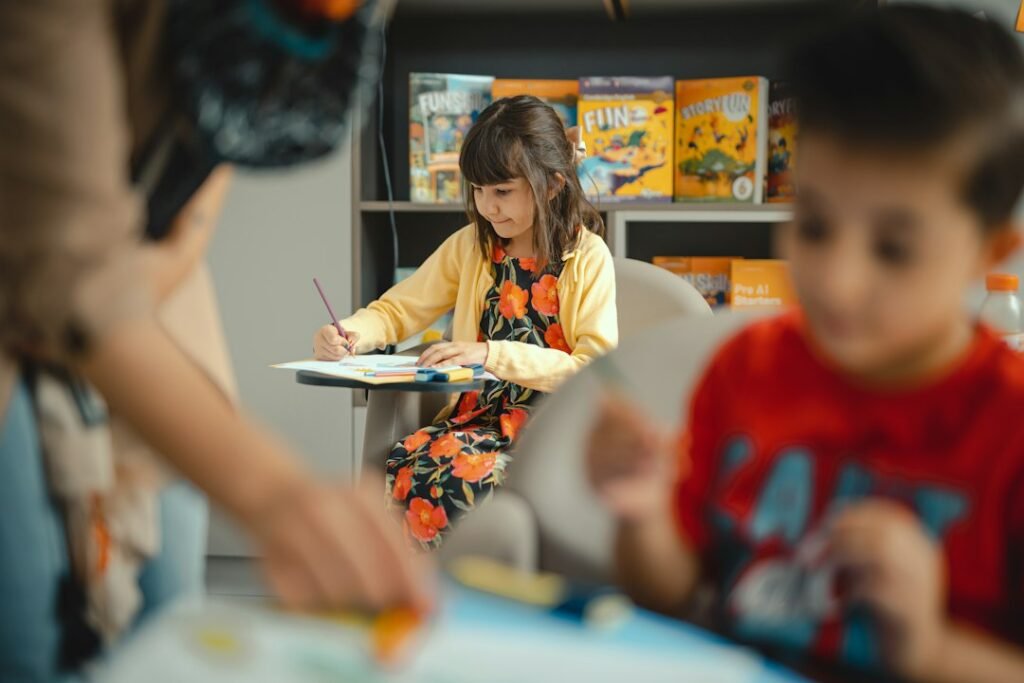
Canadian Thanksgiving arrives earlier than the U.S. holiday, making late September and early October the right time for classroom planning. These games focus on gratitude, harvest, teamwork, Canadian geography, and autumn vocabulary. They avoid food waste, expensive printables, and activities that depend on one family tradition.
Quick planning guide
- Grades K–2: Thankful Actions, Maple Leaf Move, or Harvest I Spy.
- Grades 3–5: Canada Harvest Categories, Gratitude Alphabet, or Province-to-Province Relay.
- Quiet activity: Thankful Telephone, Guess the Harvest Sound, or Gratitude Story Chain.
- Whole-class celebration: Thankful Team Challenge followed by Kindness Cornucopia.
15 Canadian Thanksgiving classroom games
1. Gratitude Alphabet
Starting with A, students name something they appreciate. Continue through the alphabet, allowing places, people, feelings, skills, and everyday comforts—not only objects. If a letter is difficult, the class may brainstorm together or skip it and return later.
2. Maple Leaf Move
Call out a colour—red, orange, yellow, green, or brown—and pair it with a movement. Red means march, orange means tiptoe, yellow means reach high, green means crouch, and brown means freeze. Students move safely beside their desks. Change the mapping for a second round to strengthen listening.
3. Canada Harvest Categories
Give teams 45 seconds to list examples for a category: Canadian provinces and territories, autumn foods, things farmers grow, ways to help a neighbour, or items used in cold weather. Score one point for each accurate answer that no other team listed.
4. Thankful Actions
One student silently acts out something they are grateful to be able to do—read, play a sport, visit a grandparent, walk a dog, make music, or help a friend. The class guesses the action, then the actor completes the sentence, “I appreciate being able to…”
5. Province-to-Province Relay
Place province and territory names around the board. Read a clue such as “This province is on the Pacific coast” or “This territory includes Canada’s northernmost point.” A representative from each team walks—not runs—to point to a possible answer. Discuss the clue before the next round so the game teaches as well as tests.
6. Harvest I Spy
Use the classroom or a projected autumn scene. A student says, “I spy something that is used for harvesting,” or “I spy something shaped like an oval.” Classmates ask yes-or-no questions. Encourage descriptive clues about colour, purpose, texture, and position.
7. Thankful Telephone
Students sit or stand in a circle. Whisper a short gratitude message to the first student: “I am thankful for warm socks on rainy mornings.” Pass it around once and compare the final sentence with the original. Keep messages kind and never use a classmate’s name without permission.
8. Kindness Cornucopia
Draw a large basket on the board. Each time the class completes a cooperative challenge, add a paper or drawn fruit labelled with a helpful action: include someone, share supplies, listen patiently, or say thank you. Try to fill the basket before the session ends.
9. Guess the Harvest Sound
Make a gentle sound using classroom objects: crumpled paper for dry leaves, pencils tapped softly for rain, a zipper for a jacket, or fingers brushed across a desk for wind. Students identify it and give one reason. This is useful when the class needs a calm transition.
10. Gratitude Story Chain
Begin, “On Thanksgiving morning, our class found a small red mitten at the door.” Each student adds one sentence that includes an act of help or gratitude. Give students the option to pass or contribute a single word. Finish by retelling the class story in three sentences.
11. Autumn True or False
Read age-appropriate statements. Students show thumbs up for true and hands flat for false. Examples: “Canadian Thanksgiving is observed in October,” “Every tree loses its leaves,” or “Nunavut is a province.” After each answer, explain the fact briefly. Avoid trick questions; the goal is curiosity.
12. Thankful Team Challenge
Small groups receive a cooperative task: make a silent line by birthday month, create five different leaf shapes with their hands, or name ten ways a classroom community helps one another. Give two minutes, then let each team show its solution. Praise clear communication and inclusion.
13. Harvest Word Ladder
Write FALL vertically. Students suggest a seasonal or gratitude word for each letter. Repeat with LEAF, THANKS, or CANADA. Older students can write complete phrases. Accept creative answers when students can explain the connection.
14. Pass the Appreciation
Pass a soft classroom object around the circle while clapping a beat. When the beat stops, the holder names something useful another person does—“bus drivers help us travel safely”—without singling out classmates. Continue until several community roles have been recognized.
15. Canadian Thanksgiving Quick Quiz
Create two sides of the room: A and B. Ask simple either-or questions about dates, geography, harvests, and seasonal changes. Students walk to their answer, discuss with a neighbour, and may switch before the reveal. Include one opinion question at the end so every response can be right.
A 40-minute classroom celebration
- Minutes 0–5: Maple Leaf Move.
- Minutes 5–13: Canadian Thanksgiving Quick Quiz.
- Minutes 13–23: Thankful Team Challenge.
- Minutes 23–32: Gratitude Alphabet.
- Minutes 32–40: Kindness Cornucopia and reflection.
Keep the celebration inclusive
Not every student celebrates Thanksgiving, and family experiences vary. Introduce the activities as an autumn community session rather than asking children to describe a perfect holiday meal. Let students appreciate people, abilities, places, nature, or small routines. Avoid requiring food, costumes, or personal family stories.
Simple classroom management tips
Explain the walking boundary before movement games, model one full example, and use a visible timer. For grades K–2, change games every five to seven minutes. For older elementary students, add explanation prompts—“How do you know?” and “What clue helped?”—so playful activities also practise reasoning.
More seasonal group games
For a general family gathering, see these Thanksgiving games for families. Teachers planning later in October can use Halloween classroom games, while large school groups can try these no-prep large-group games.
Teaching older students? These no-prep Thanksgiving games for middle school classrooms add age-appropriate discussion, teamwork, and quick challenges.
Frequently asked questions
When is Canadian Thanksgiving?
It is observed on the second Monday in October. Schools often use related autumn or gratitude activities during the preceding week.
Can these games be used without celebrating the holiday?
Yes. Choose the harvest, kindness, geography, and autumn-language activities and present them as a seasonal classroom session.
What is the best game for a mixed-age school group?
Thankful Team Challenge adapts easily: give younger students movement tasks and older students reasoning, vocabulary, or leadership tasks.
Featured photo by Ahmadreza Rezaie on Unsplash.
Leave a Reply